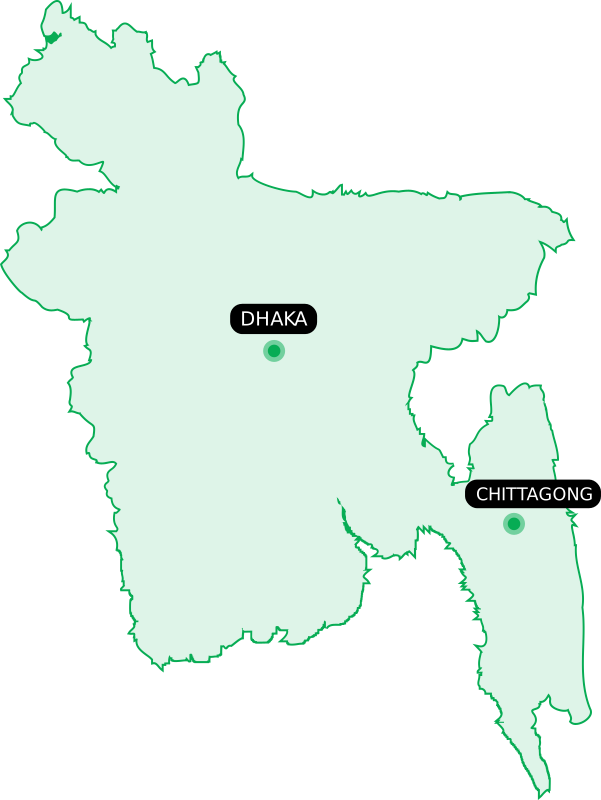

We utilize top-notch server, which reflects in the high level of service we give.
HTTP/3 with Quic decreases latency and speeds up website delivery.
SSL certificates that are simple to install and can keep safe your websites.
Every month, we promise to guarantee more than 99.9 percent uptime.
We provide a 30-day money-back guarantee, so you may try our service risk-free.
Protect your website from ongoing attacks. Custom web appfirewall rules are used.
Our Web Hosting blended with litespeed web server, PHP 7.4 for better Speed.
Get 24x7 access to our skilled support staff as part of your hosting subscription.
Intuitive and easy to use, Webuzo help you to manage a web hosting account with maximum efficiency.
With our one click installer tool, available on every Web Hosting plan, you can create any type of website: blog, forum, CMS, wiki, photo gallery, E-commerce store, and so much more!
The Terminal interface allows you to access an in-browser terminal application for direct command-line access within a Webuzo.
Webuzo Panel is extremely user-friendly and can be used by those with little experience in website development.
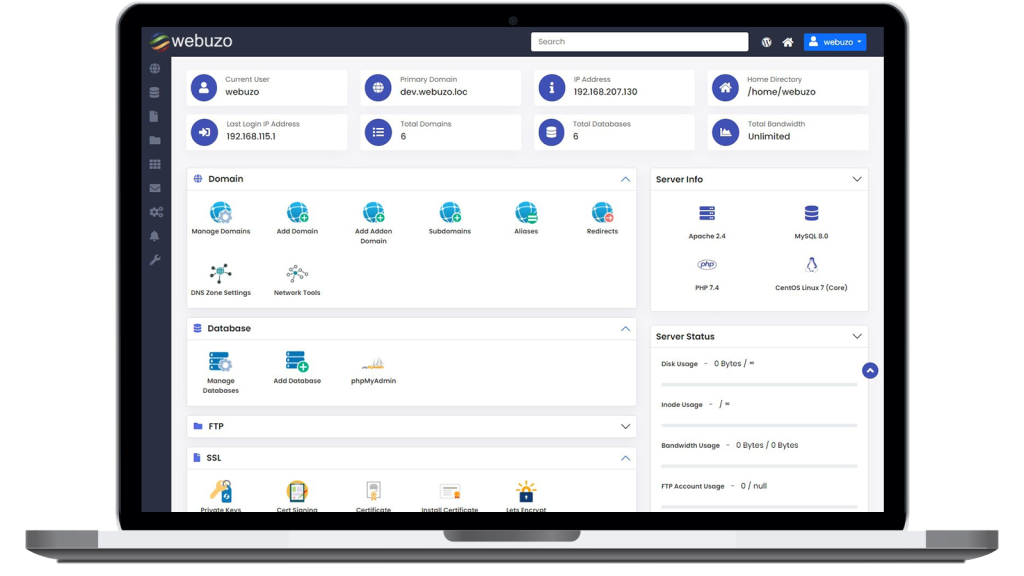

The greatest option for your Bangladeshi websites is BDIX Hosting from Bangla.biz. BDIX Hosting is one of the most powerful hosting facilities powered by Bangladeshi data centers. BDIX Hosting guarantees the quickest loading times, a 99.9% uptime guarantee, and extremely quick data exchange capabilities. Bangla.biz offers the most reliable BDIX Hosting available in Bangladesh. By hosting your website in our Bangladeshi data center, you can deliver your visitors the greatest experience possible with zero latency.